
Getting your content noticed by search engines doesn’t need to be complicated. One of the most effective ways to improve your visibility is by using keywords in content with purpose and structure. Keywords help search engines understand what your page is about, which can lead to better rankings and more traffic. But simply stuffing words into your text won’t help — it can actually do more harm than good. Here’s how to use keywords smartly and effectively.
Why Using Keywords in Content Matters
Search engines like Google look for patterns when they crawl web pages. When you use relevant keywords in the right places, you give those search engines clear signals about your topic. This helps match your page to the right searches. For example, if someone searches for “how to train a puppy,” and your article includes that phrase naturally in several spots, it’s more likely to show up in their results.
But keyword use isn’t just about showing up — it’s also about showing up for the right people. If you’re writing helpful content that answers real questions, keywords make it easier for your audience to find what they’re looking for.
Best Practices for Using Keywords in Content
Knowing where and how often to place keywords can make a big difference. Here’s what works:
1. Use Keywords in Key Locations
Certain parts of your page carry more weight with search engines than others. Make sure your main keyword appears in:
– The page title
– At least one subheading
– The first paragraph
– The meta description
– Image alt text (when relevant)
These spots help search engines quickly understand your topic without needing to read every word on the page.
2. Keep It Natural
You don’t need to repeat the same phrase dozens of times. In fact, overusing a keyword — known as keyword stuffing — can hurt your rankings. Instead, aim for natural placement that fits the flow of the content.
3. Use Variations and Related Terms
Search engines have become better at understanding meaning. That means you don’t have to use the exact same phrase every time. Mix in related terms or synonyms when appropriate. If your main phrase is “using keywords in content,” related terms could include “keyword placement,” “SEO writing,” or “content optimization.”
This approach not only helps with SEO but also makes your writing easier to read.

Common Mistakes to Avoid
Even with good intentions, it’s easy to fall into some traps when working with keywords:
– Overloading: Repeating the same phrase too many times makes your content hard to read and may trigger penalties.
– Ignoring context: Just dropping a keyword into a sentence doesn’t help unless it fits the topic and adds value.
– Forgetting user intent: Think about what someone is really looking for when they type a certain phrase into a search engine. Make sure your content delivers on that expectation.
Measuring What Works
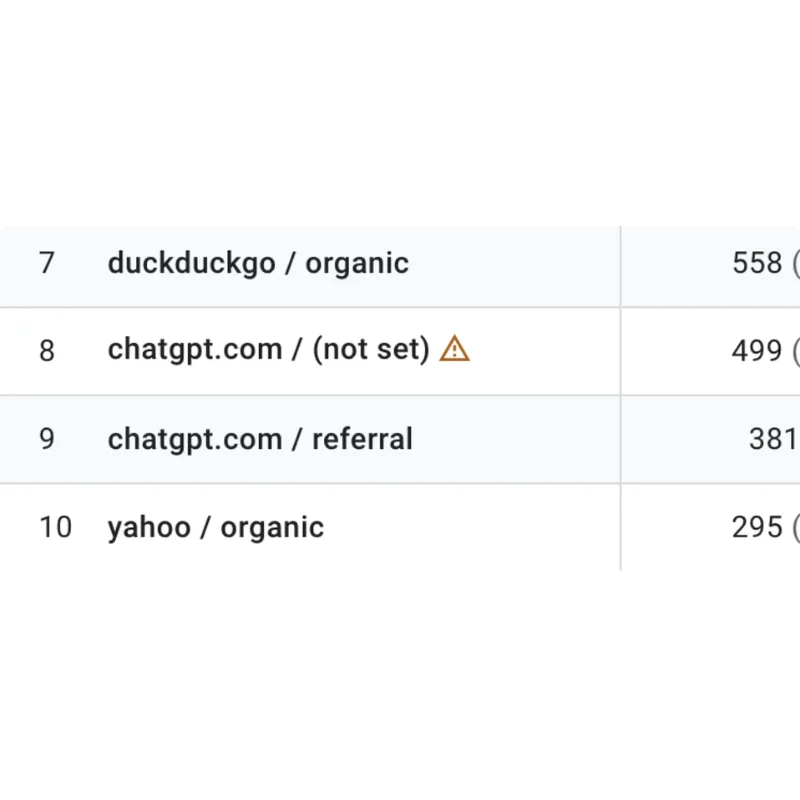
After publishing, track how well your content performs using tools like Google Search Console or other analytics platforms. Look at which pages rank well, what terms people used to find them, and how long visitors stay on each page.
This data helps you adjust future posts for better results — maybe by improving headlines, updating old posts with stronger keywords, or identifying gaps where new content could help.
Improving SEO doesn’t require tricks or shortcuts — just thoughtful planning and consistent effort. By focusing on using keywords in content where they matter most, keeping things natural, and aligning with what readers actually want, you’ll build a stronger presence over time.
Remember: good content starts with useful information. Keywords just help people find it.